

NCC-CCAD Community Centre and Housing
-
Type: Community Centre, Affordable Housing, Feasibility Study
Location: Montreal, Quebec
Client:Centre pour les Canadien.ne.s Afro-Descendant.e.s
Partners: Rebecca Taylor Architect
Status: In progress
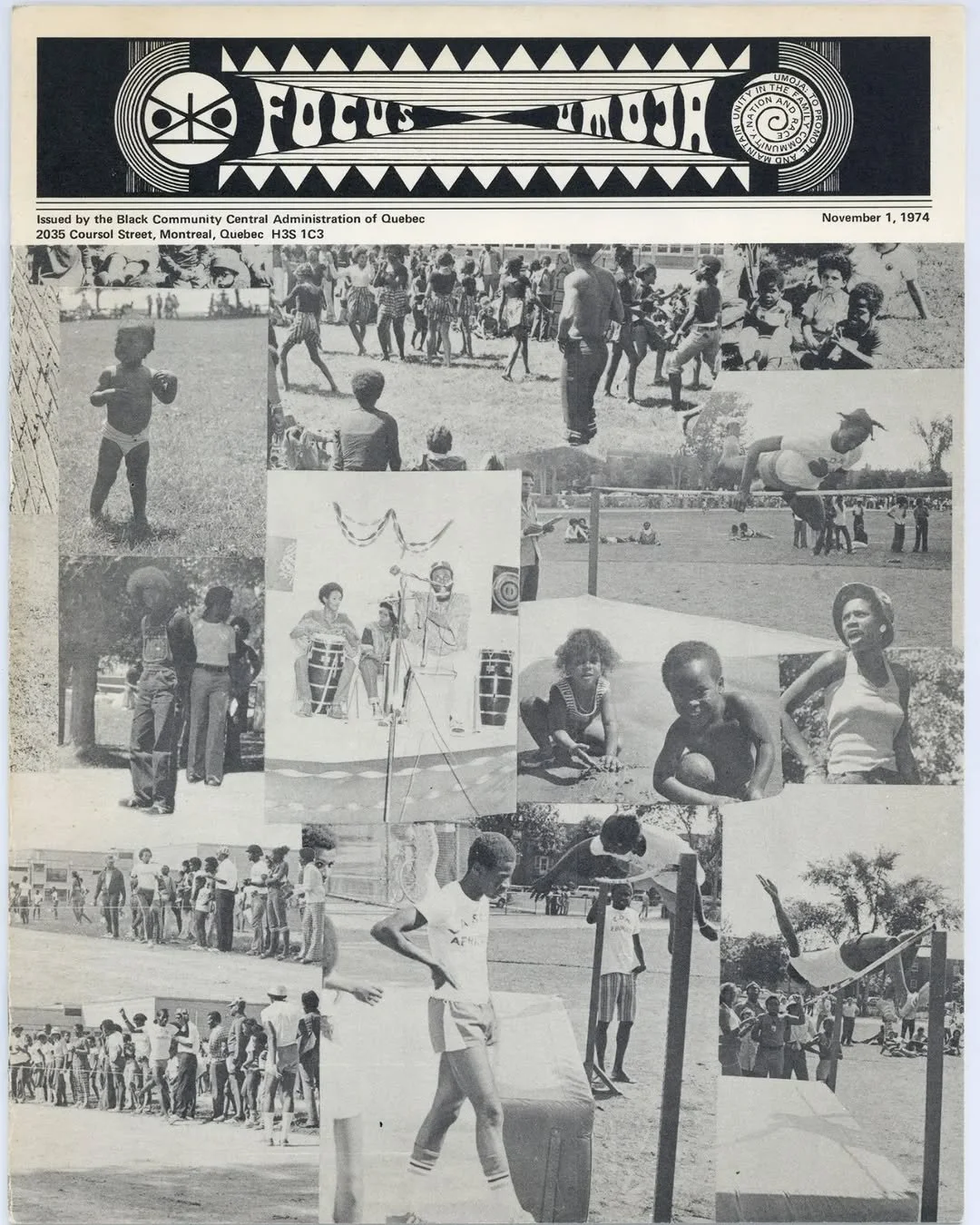
Focus Magazine, sourced from the NCC Archives at Concordia University.
SOCA is developing a feasibility study in collaboration with Rebecca Taylor Architect. This work builds upon a design studio led by Shane and Rebecca Taylor at McGill University’s School of Architecture to imagine new possibilities for the Centre for Canadians of African Descent (CCAD). Building upon the site’s rich legacy as the location of the former Negro Community Centre / Charles H. Este Cultural Centre (NCC), new programming may blend community functions with multi-unit housing to generate a site of living memory and nurture a thriving future within the neighbourhood.
The NCC, founded in the 1920’s, was an active and significant Community Centre serving Montreal’s black community through a range of programs including offices, a gymnasium, a sewing room, a kitchen, a library, and the Walker Credit Union office. The centre was a hub for the community, supporting great jazz greats and providing youth programming, a daycare, summer camps, dance and music lessons, after-school programs, a seniors program, and language courses. After laying dormant for many years, the building was demolished in 2014, sold to a developer, and in 2022, purchased by the City of Montreal to return it to community use.
To determine how the CCAD might revive the site’s history, Shane and Rebecca guided McGill University students in an architectural analysis of the original NCC. The studio ‘Memory and Future: The Architecture of Community’ activated students in the question of what community-based future can exist for this complex site, exploring both local and global Black histories to inform new narratives for the Little Burgundy neighbourhood.
The design studio explored cohousing precedents, and opportunities for a residential program that will add 30 to 40 rental units, with options for larger families. The aim is to support the right to remain for local residents, building community stability for a neighbourhood under pressure of gentrification and displacement.
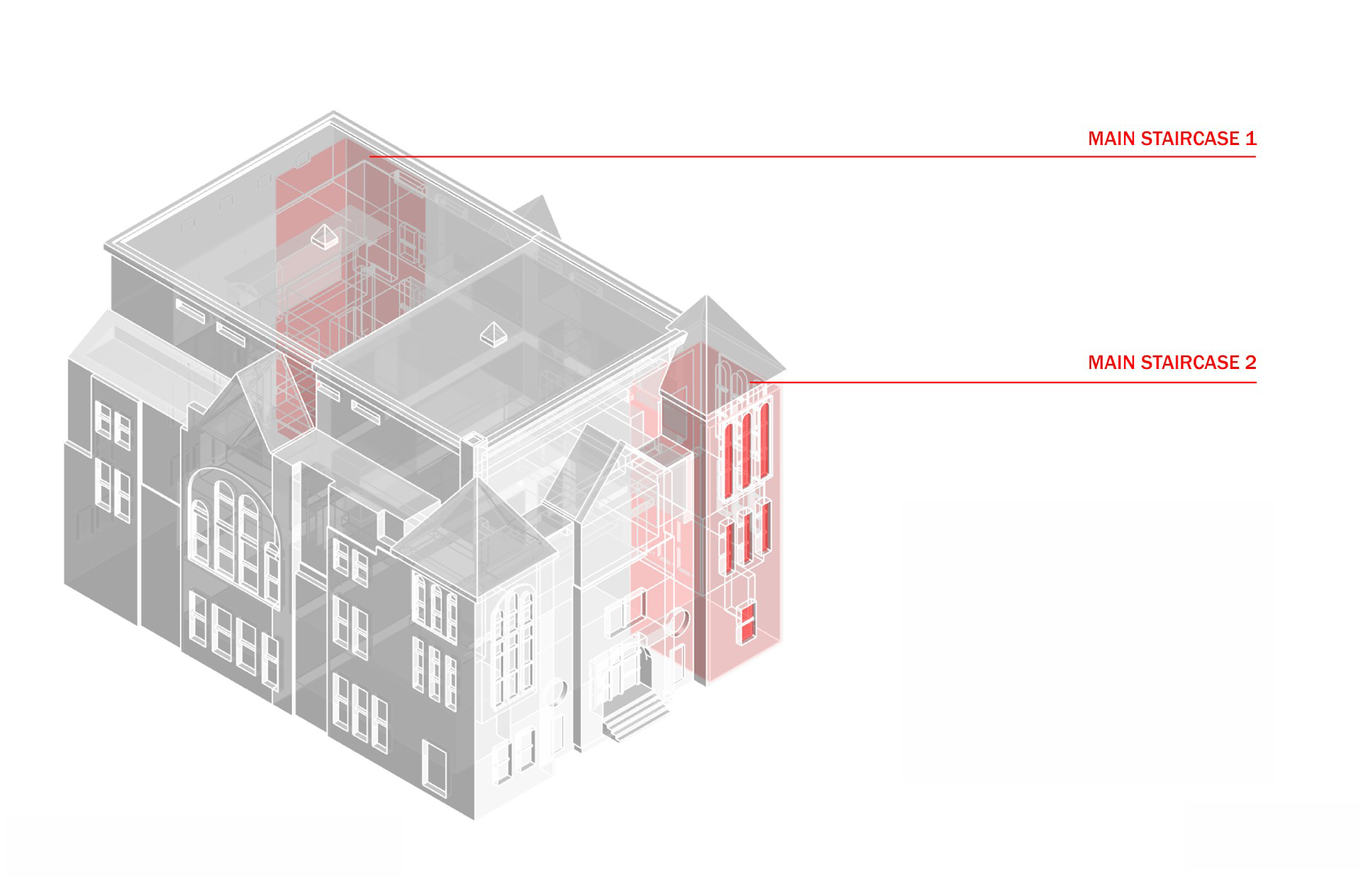
Circulation diagram of NCC building by students William Beaudet and Jasmine Chen
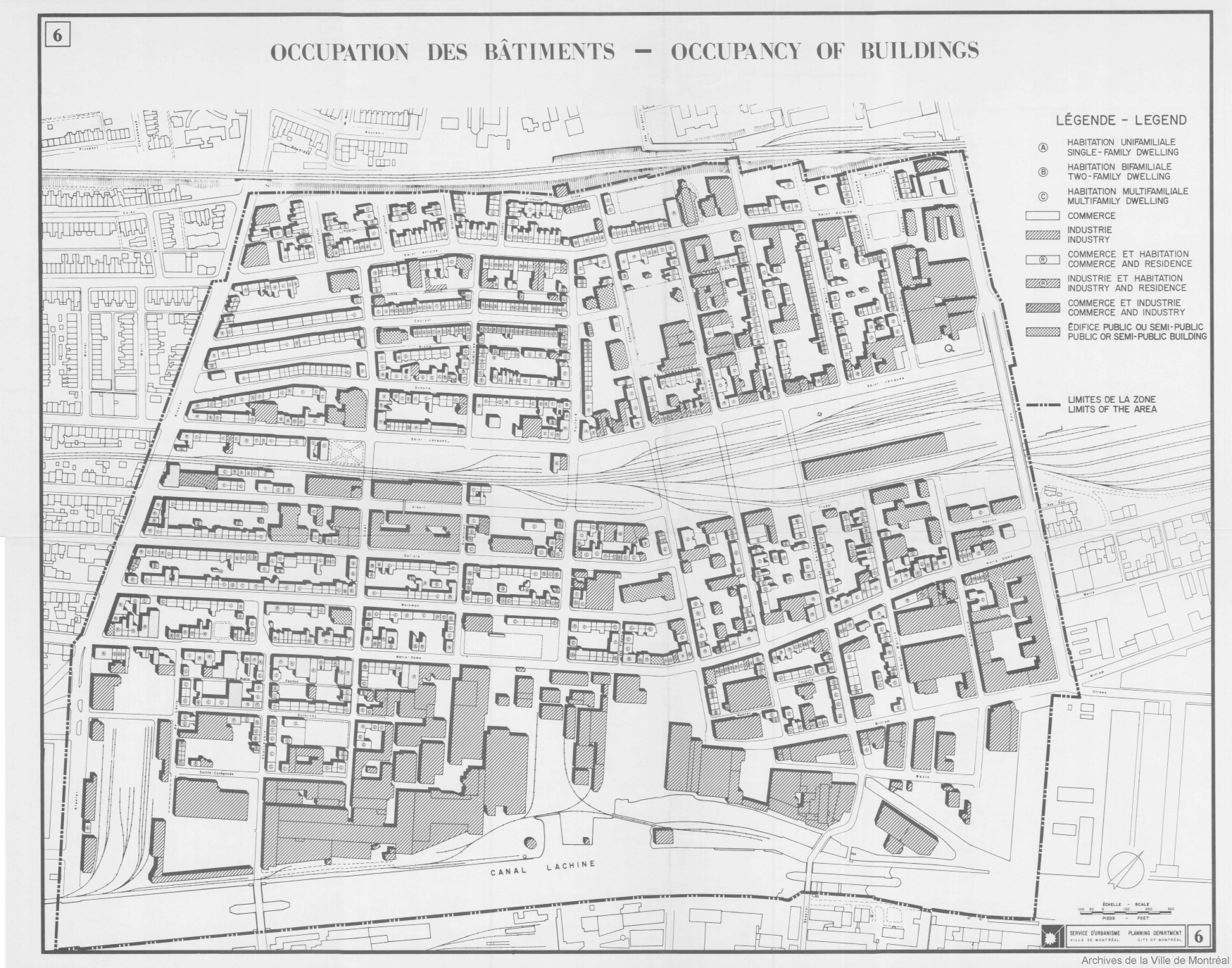
Map of occupancy of Little Burgundy in 1966, image sourced from the Archives of the City of Montréal.
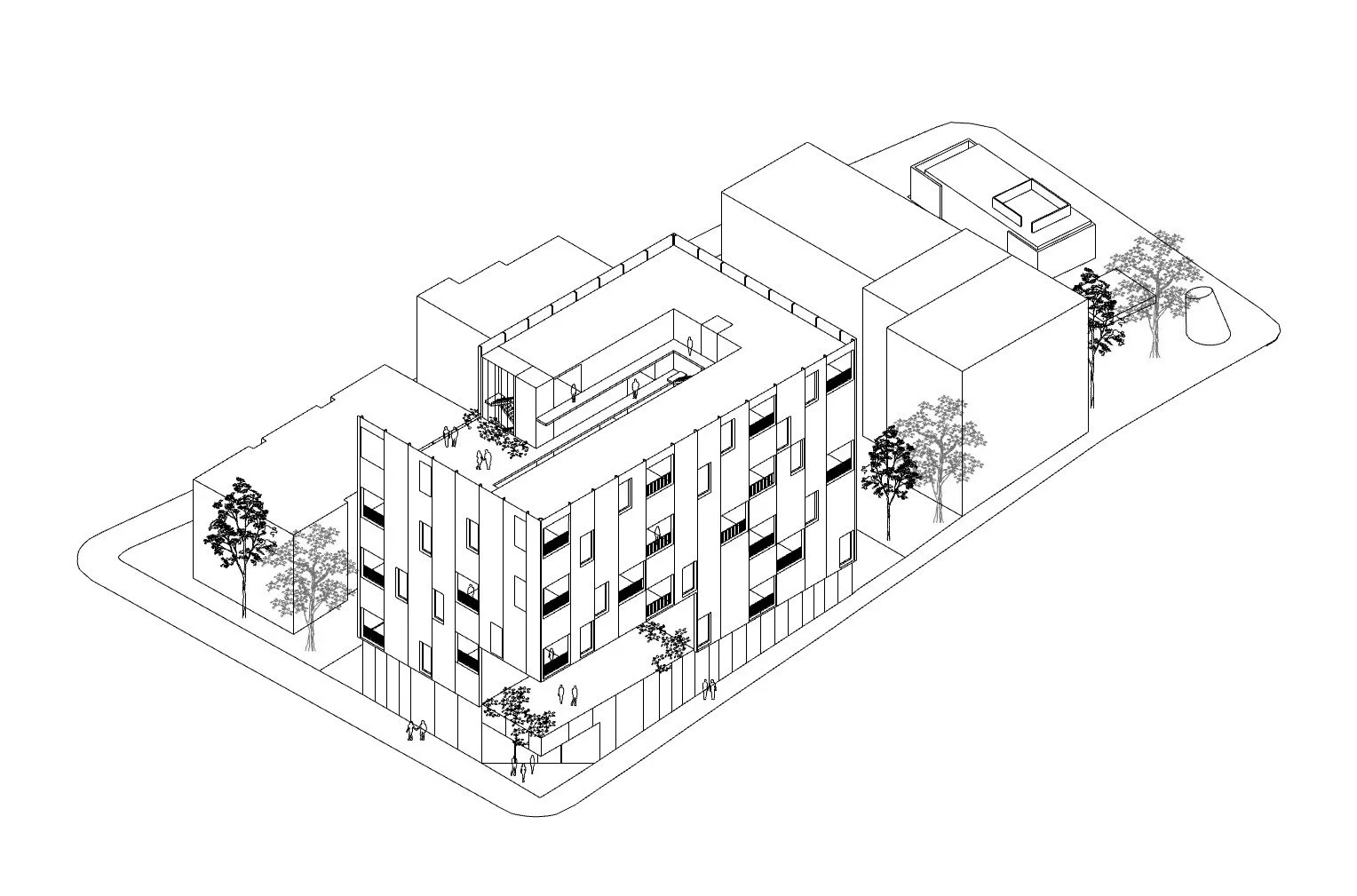
Massing exploration featuring a central courtyard.
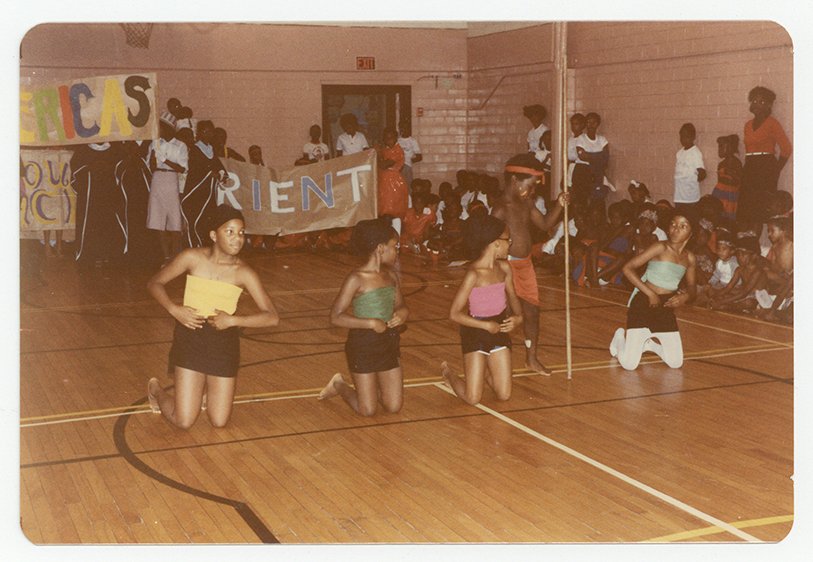
Programming at the original NCC, image sourced from the NCC Archives at Concordia University.
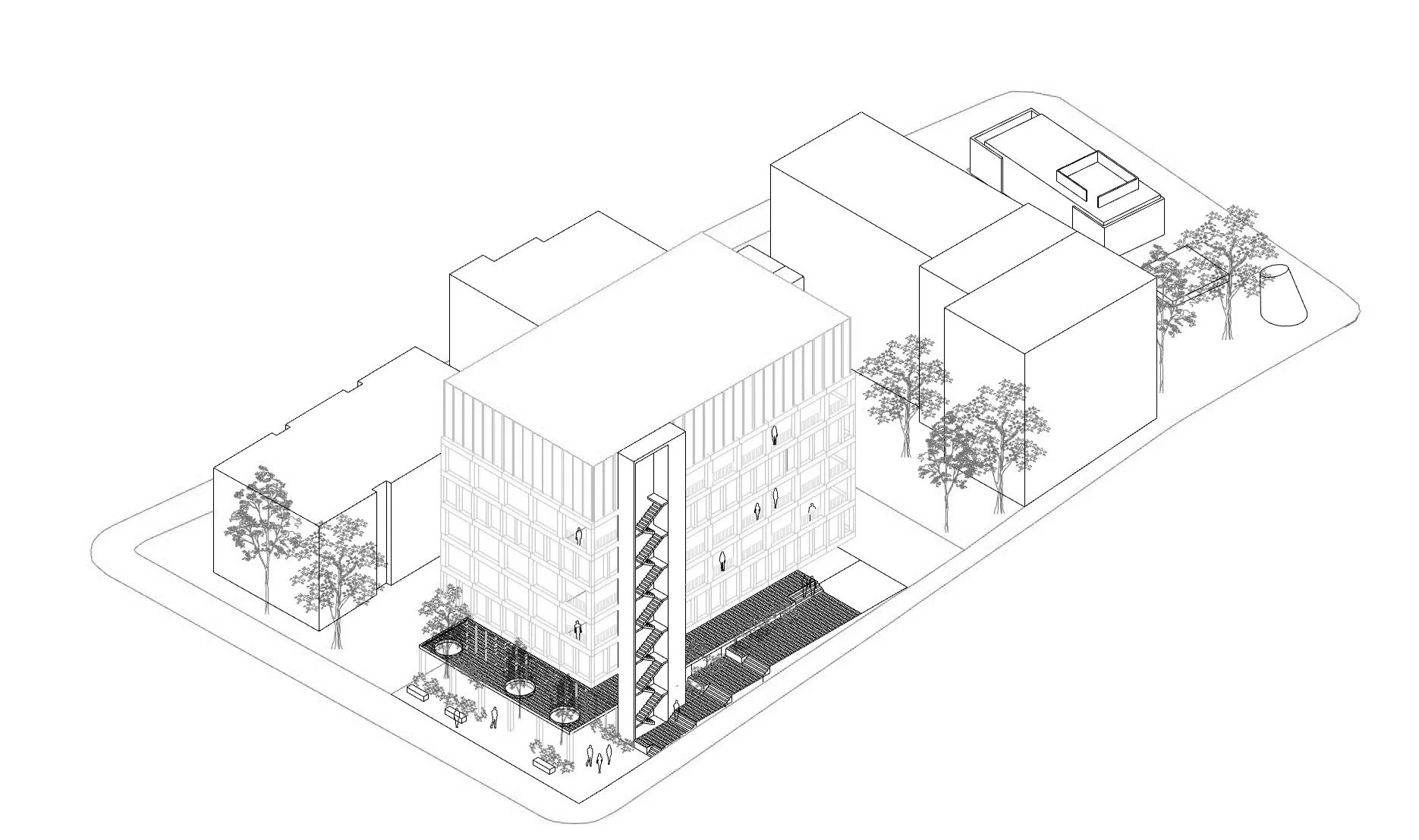
Massing exploration featuring coursives as circulation on the east facade.
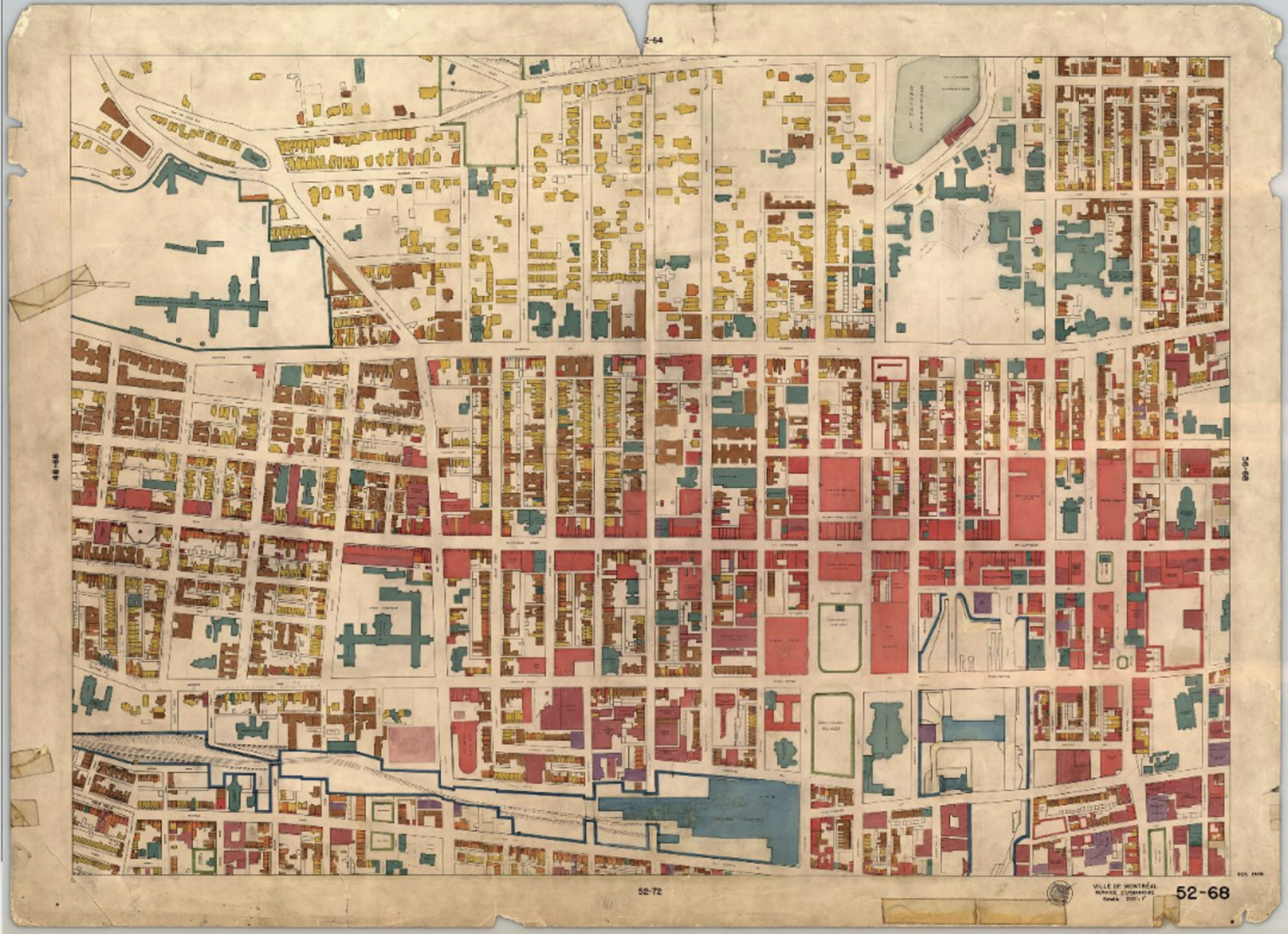
Map of Montreal land use in 1949, sourced from the City of Montreal Planning Department.